Srbija
 Bosna i Hercegovina
 Slovenija



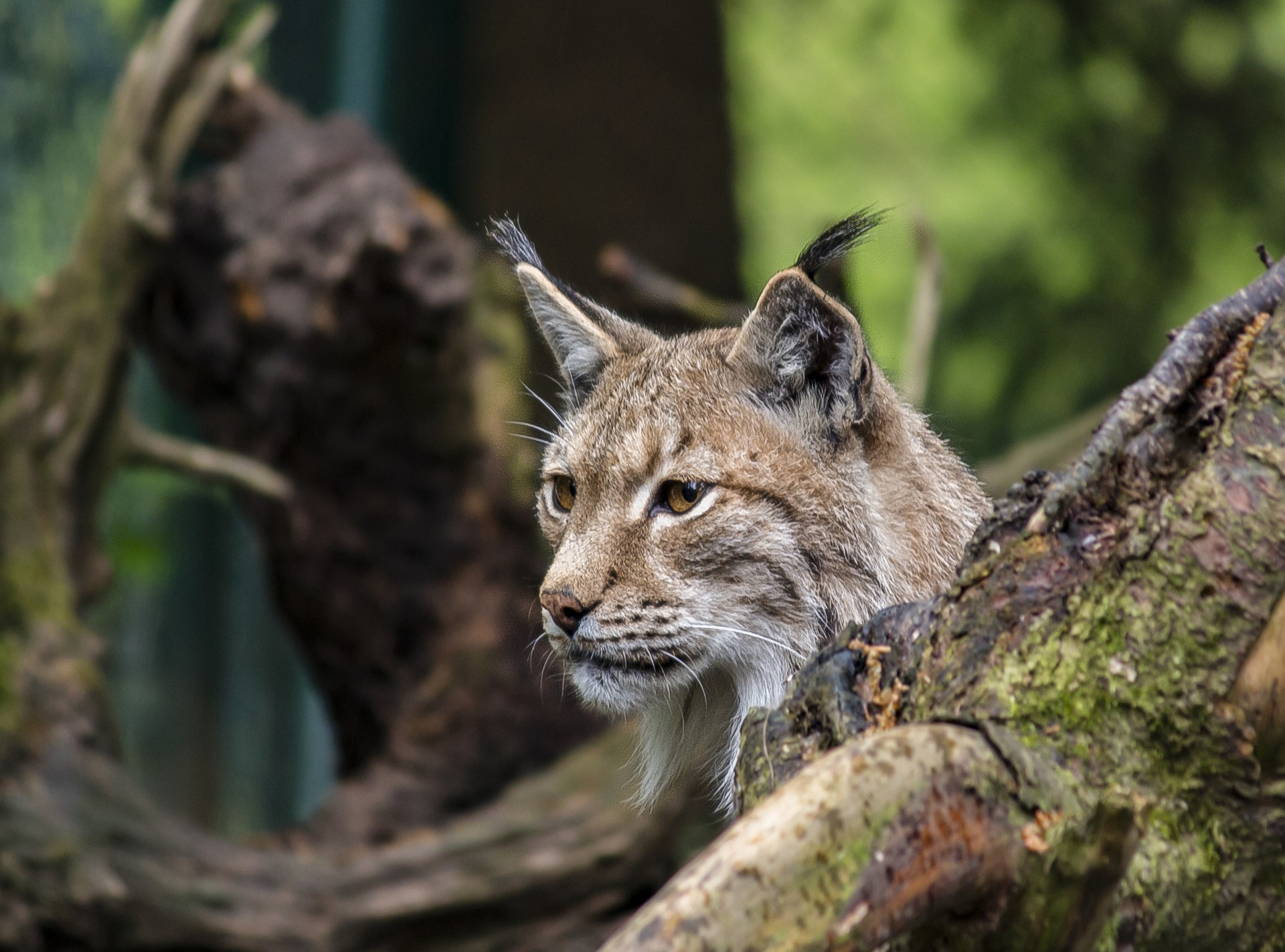
An adult male lynx named Kras arrived in Plitvice Lakes National Park from the Romanian Carpathians on Friday as part of the LIFE Lynx project aimed at increasing the genetic diversity of the lynx population in Croatia and preventing its extinction, the BIOM NGO said in a statement.
This is the sixth lynx that has been relocated from the Carpathians to Croatia as part of the LIFE Lynx project, while 10 animals have been resettled to Slovenia, the statement said.
At least 110 adult lynxes are estimated to be living in Croatia and Slovenia, including those relocated from the Carpathians. DNA analysis and automatic cameras have identified the offspring of the resettled lynxes, confirming their contribution to the growth in the genetic diversity of this population in the Dinaric Alps.
Kakvo je tvoje mišljenje o ovome?
Pridruži se raspravi ili pročitaj komentare


Kakvo je tvoje mišljenje o ovome?
Pridruži se raspravi ili pročitaj komentare
NAJČITANIJE



















Najnovije












ZDRAVLJE





LIFESTYLE