


 Srbija
 Bosna i Hercegovina
 Slovenija



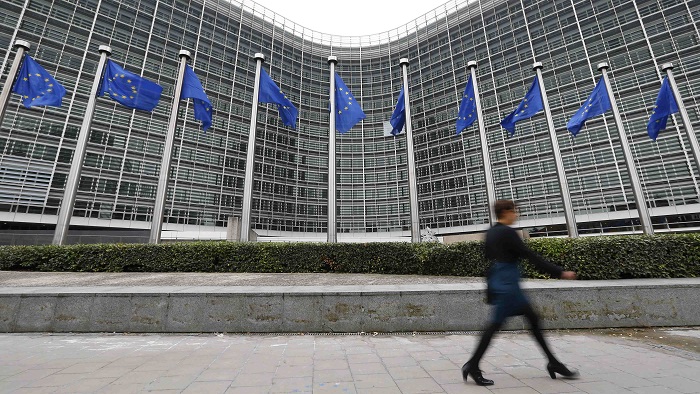
The European Commission (EC) gave Croatia on Wednesday four recommendations to be carried out this and next year, as part of its European Semester 2018 Spring Package.
The European Semester, a cycle of economic and fiscal policy coordination across the EU, allows the EU members to discuss their economic and budget plans and monitor progress at specific times throughout the year.
The recommendations are adapted to the needs of each member state, providing assistance with job creation, economic growth, and investments, while maintaining the health of public finances, and can realistically be met within the next 12 to 18 months.
The recommendations given to Croatia in 2018 do not differ significantly from those the EC gave in 2017.
The first recommendation suggests Croatia should strengthen its fiscal framework and introduce property tax, based on property values. The introduction of property tax in Croatia was postponed this year, and it remains unclear if, and when, it will be implemented.
In the second recommendation, Croatia is expected to discourage early retirement, accelerate transition to the higher statutory retirement age, and align pension provisions for specific categories with the rules of the general scheme.
This recommendation also calls for results in the education reform, so that the quality of education, as well as its relevance on the job market, for children as well as for adults, would be improved.
The third recommendation deals with the reduction of fragmentation and the improvement of the functional distribution of competencies in public administration. Croatia is also expected, in consultation with social partners, to harmonise the framework for setting wages in the public administration and services.
In the last recommendation, Croatia should improve corporate governance in the state-owned enterprise sector and speed up the divestment rate of state-owned enterprises and inactive state assets.
The burden on businesses stemming from regulation costs should be significantly reduced, and the quality and efficiency of the justice system improved, in particular by reducing the duration of civil and commercial cases.
Croatia is also expected to remove regulatory restrictions hampering access to regulated professions and business services.
Follow N1 via mobile apps for Android | iPhone/iPad | Windows| and social media on Twitter | Facebook.
Kakvo je tvoje mišljenje o ovome?
Pridruži se raspravi ili pročitaj komentare


Kakvo je tvoje mišljenje o ovome?
Pridruži se raspravi ili pročitaj komentare