


 Srbija
 Bosna i Hercegovina
 Slovenija



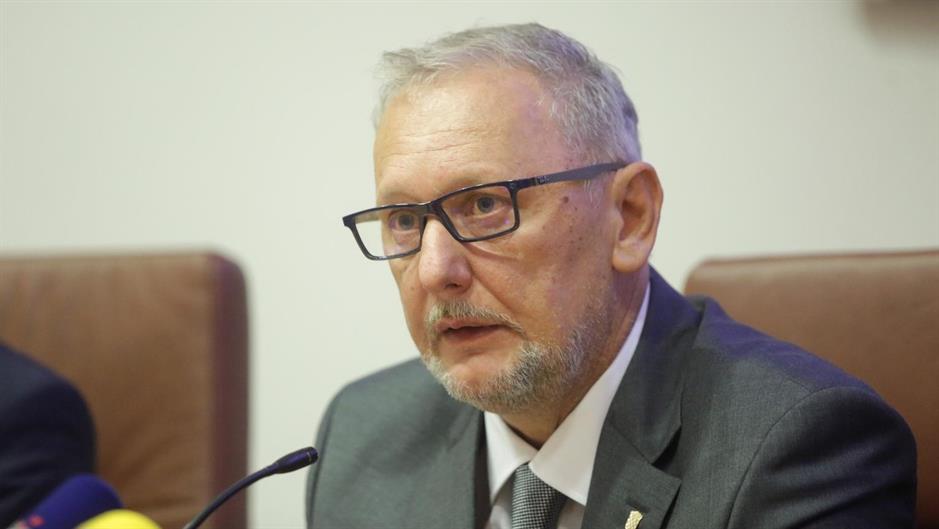
The migrant crisis, cooperation in Southeast Europe and prevention of people smuggling were the main topics of a two-day informal meeting of EU home affairs ministers, including Croatian Interior Minister Davor Bozinovic, which began on Wednesday in Innsbruck, Austria.
"Croatia will continue to protect its borders. We will not allow illegal migrations, but, at the same time, we will continue to show humanity and solidarity with those who really need help," Bozinovic told reporters on Thursday.
The ministers presented their views after the European Council adopted conclusions on a comprehensive EU-level approach to addressing the migrant crisis on June 28.
The European Council will meet again in October, and by then the ministers and the European Commission are expected to prepare more specific proposals which would make it possible to reach an agreement.
Croatia’s stance is that cooperating with countries along the so-called Balkan route (from Turkey, to Greece, across Montenegro, Serbia, Croatia and onwards to the west), providing them with political, professional, and financial assistance, is the way to help the whole of European Union, Bozinovic said.
“If these countries become more effective, there will be fewer illegal migrants on EU borders, including Croatian borders,” he added.
He said that Europe was concerned about criminal groups that were active within the EU because of high earnings from people smuggling.
"We are dealing with this very efficiently, I would say. Some 194 cases have been dealt with this year alone, so I don't think this business will pay off for them in the future," he said.
Bozinovic also said that the EU border and coast guard agency Frontex would be given more funds to expand its activities and increase the number of its personnel.
Speaking of the eastern Mediterranean migrant route, he said that it was important to conclude status agreements between those countries and Frontex as soon as possible, so that Frontex could also deploy its personnel on the borders of Bosnia and Herzegovina, Montenegro, Albania, and possibly other countries in that area.
Asked how that would affect Bosnia and Herzegovina, Bozinovic said that migrants were already in Bosnia and Herzegovina, but that the Croatian border police were "very efficient and very flexibly organised."
Follow N1 via mobile apps for Android | iPhone/iPad | Windows| and social media on Twitter | Facebook.
Kakvo je tvoje mišljenje o ovome?
Pridruži se raspravi ili pročitaj komentare


Kakvo je tvoje mišljenje o ovome?
Pridruži se raspravi ili pročitaj komentare