Srbija
 Bosna i Hercegovina
 Slovenija



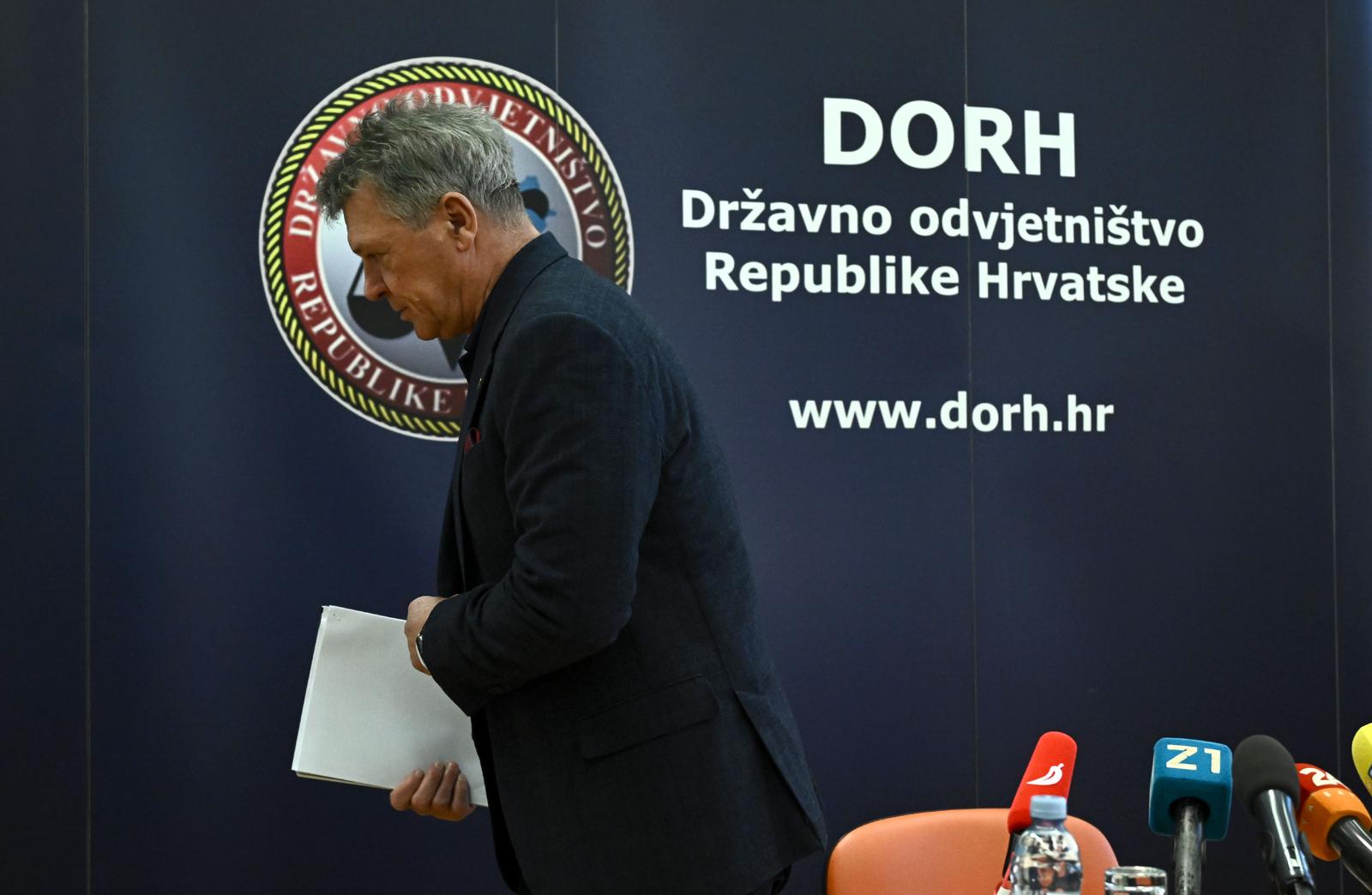
The non-governmental organisation Gong has addressed the European Parliament's Committee on Petitions and pointed out inconsistencies between Croatian legislation and the European Public Prosecutor’s Office (EPPO) Regulation.
These inconsistencies allow the State Attorney-General to have exclusive jurisdiction to resolve conflicts of jurisdiction between the State Attorney's Office (DORH), which he heads, and the EPPO.
State Attorney-General Ivan Turudicrecently ruled that the USKOK, as part of the DORH, and not the EPPO, has jurisdiction over an investigation into the procurement of medical equipment involving Health Minister Vili Beros.
According to the TFEU, only a "national court or tribunal" can refer matters to the European Court of Justice
This decision cannot be challenged. According to the Croatian law implementing the EPPO regulation, the State Attorney-General is designated as the national authority for resolving conflicts of jurisdiction between DORH and EPPO.
However, the law does not provide for a Croatian court to review such decisions. If a judicial review were possible, the court could refer the matter to the European Court of Justice in Luxembourg as part of a preliminary ruling procedure.
In its submission to the Committee on Petitions, Gong emphasised that, according to the Treaty on the Functioning of the European Union (TFEU), only a "national court or tribunal" can refer matters to the European Court of Justice.
"Deeply problematic arrangement"
As the State Attorney-General is not a judicial body, Turudic could not bring the conflict of jurisdiction between DORH and EPPO before the European Court of Justice even if he wanted to. Furthermore, there is no legal remedy to challenge Turudic's decision before the European Court of Justice, as the implementing law does not provide for such a possibility.
This problem could have been avoided if the Supreme Court, as Croatia’s highest judicial body, had been given jurisdiction to rule on conflicts of jurisdiction.
In a country where public trust in the institutions of the judiciary is extremely low - a situation that was further undermined by the appointment of Ivan Turudic as State Attorney-General after the news about Josipa Rimac became public - this arrangement for resolving jurisdictional matters is deeply problematic.
Kakvo je tvoje mišljenje o ovome?
Pridruži se raspravi ili pročitaj komentare


Kakvo je tvoje mišljenje o ovome?
Pridruži se raspravi ili pročitaj komentare
NAJČITANIJE















Najnovije








ZDRAVLJE





LIFESTYLE





SHOWBIZ